OXWEST

  • Home
  • About Us
  • Committee
  • Termcard
  • Mentorship
  • Conference
  • Career Opportunity
  • Blog
  • Contact
  • OxWSocs
  • Home
  • About Us
  • Committee
  • Termcard
  • Mentorship
  • Conference
  • Career Opportunity
  • Blog
  • Contact
  • OxWSocs

blog

Reflections on field work in the Swiss Alps

19/3/2024

0 Comments

 
Picture
Julia Johnson

Hi, I’m Julia, a 3rd Year Earth Scientist at Univ.

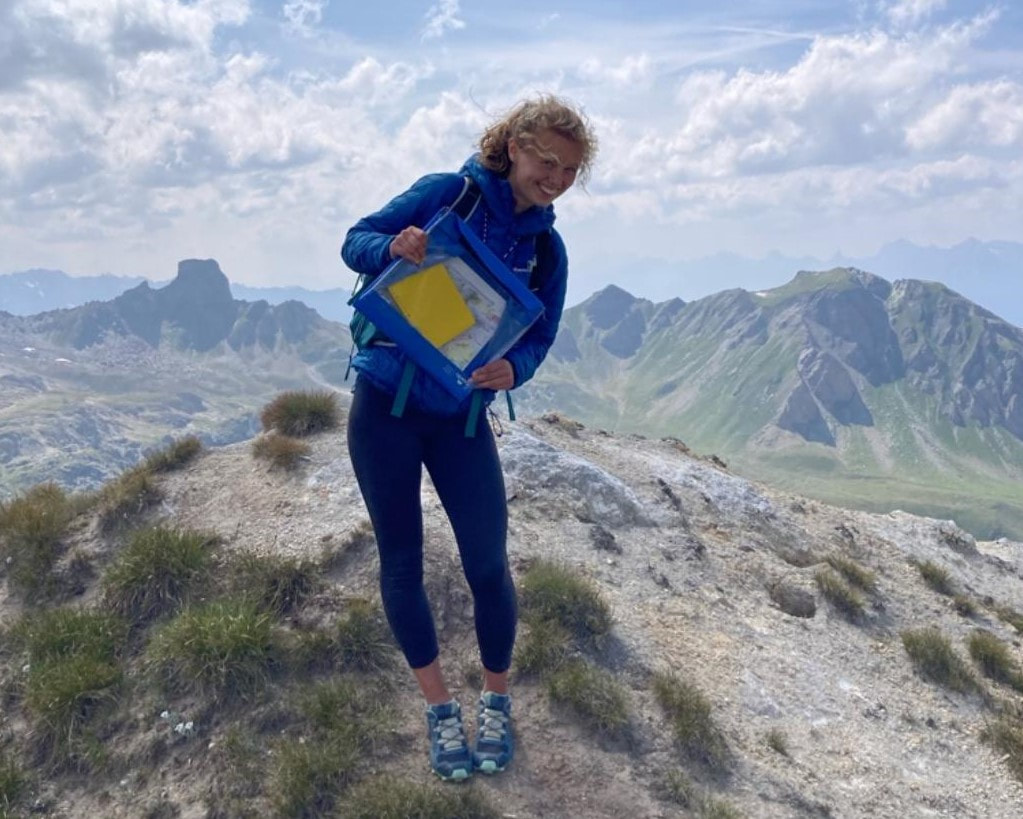
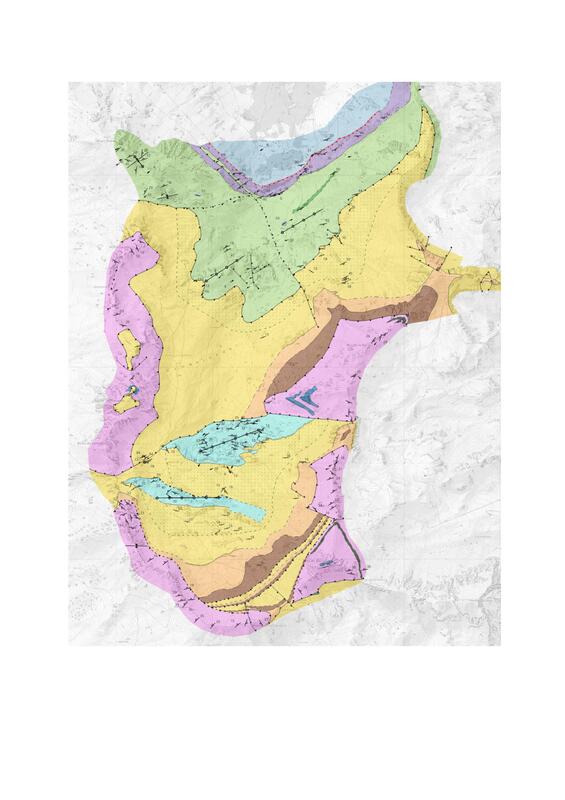
Last summer, the Jo Ashbourn Scholarship enabled me to conduct 6 weeks of fieldwork in the Swiss alps to produce a  geological map covering 15km^2 at 1:10,000 scale, and collect rock samples and structural data to analyse in the lab and for strain analysis. Fieldwork comes with  unique challenges, especially compared to lab-based research, but these make the best memories and provide the opportunity to solve some very interesting multidisciplinary problems! 
This project was a part of the Earth Sciences degree, but this was the first year since 2019 that it could be conducted internationally. This meant we could go somewhere further afield, and really geologically interesting. The alps have a very complex history and are a dynamic area in a way the highlands of the UK no longer are. The canton I was studying in (Valais) still has an average of 270 earthquakes per year! Despite being the focus of generations of geologists, many aspects of the formation of the alps are still being debated in the literature - and so it is sufficiently open that I could develop my own ideas with integration of my  primary observations and data with the literature. 
Picture
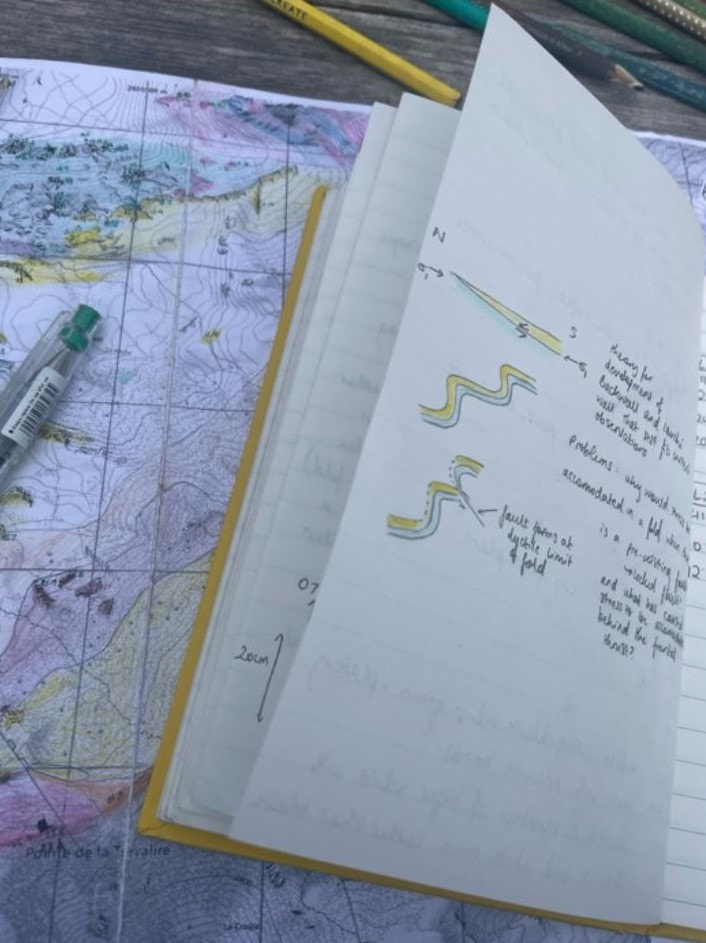
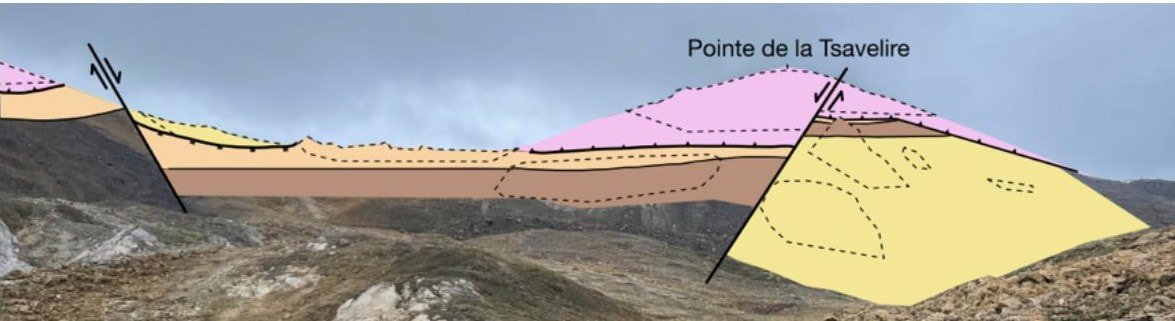
Developing theories for the structures at depth based on surface observations.
We were only able to access basic surface methods of analysis, and didn’t have the  seismic-depth imaging, for example, of some studies. However, I did find evidence for a phase of extensional faulting extending further around the western alpine arc than  has been suggested previously in the literature.  
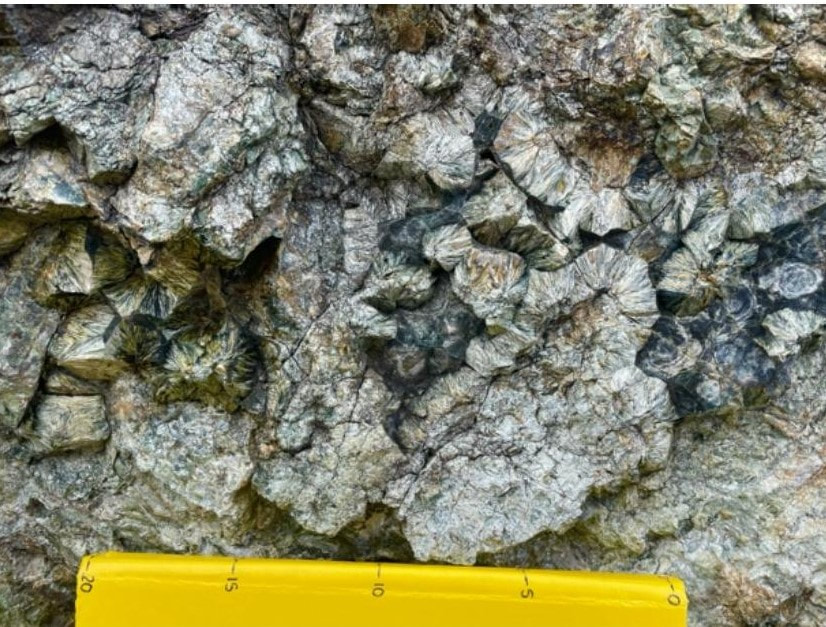
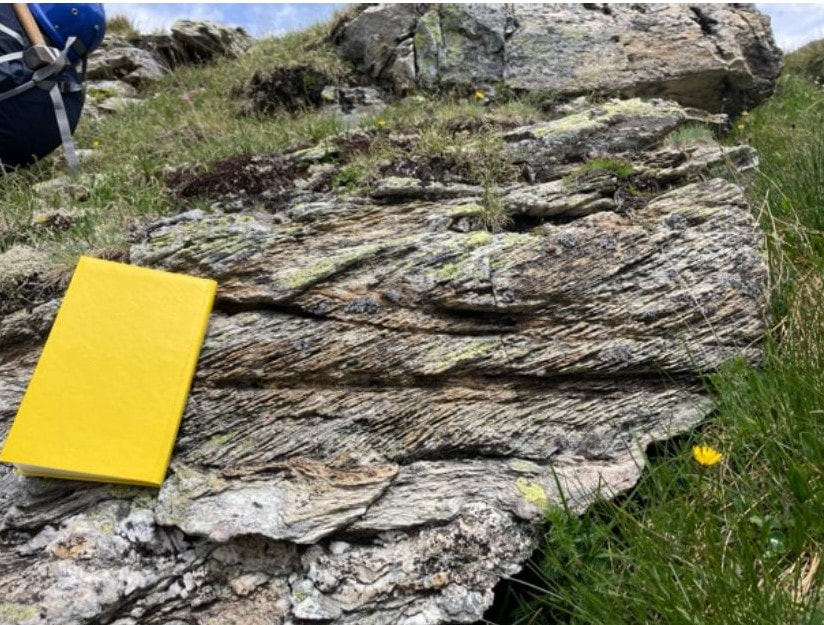
During analysis conducted in Oxford, I focused on the structural geology, and the  deformational phases of the alpine orogeny evidenced in the area. I really enjoyed analysing the faults, folds, and micro-structures, and applying techniques learnt  theoretically to the non-‘textbook-perfect’ real world. I recorded oriented photos of  600 porphyroclasts to conduct a finite strain analysis, revealing a shear zone and non-outcropping normal fault. I also used stereonets and vergence of higher-order folds to  further constrain the stress field through time, from which I found evidence of  backfolding. Under thin section, microstructures enabled me to identify a cataclasite - explaining the significant textural differences in two compositionally near-identical  sericite-rich quartzites.  
Analysing the lithologies (types of rock) evidenced the movement of tectonic plates  (something that wasn’t proved until the 1960s!) over the past 540 million years with a  preserved mountain range from the margin of a previous continent, Gondwana. The  collision of Gondwana and Laurentia produced Pangea, and the collapse after this  orogeny caused the land to be flooded - which is evidenced by thick layers of Gypsum,  an evaporite deposited in out of a drying saline basin. The nature of this deposit gives  an indication of the tropical position of this landmass, and what this environment  looked like long, long before humans evolved. Other units contained layers of  serpentinite, which makes gorgeous jewellery, but also evidences the spreading (at a  mid-ocean ridge, like Iceland) and closure of an ocean!  ​
Day-to-day Life
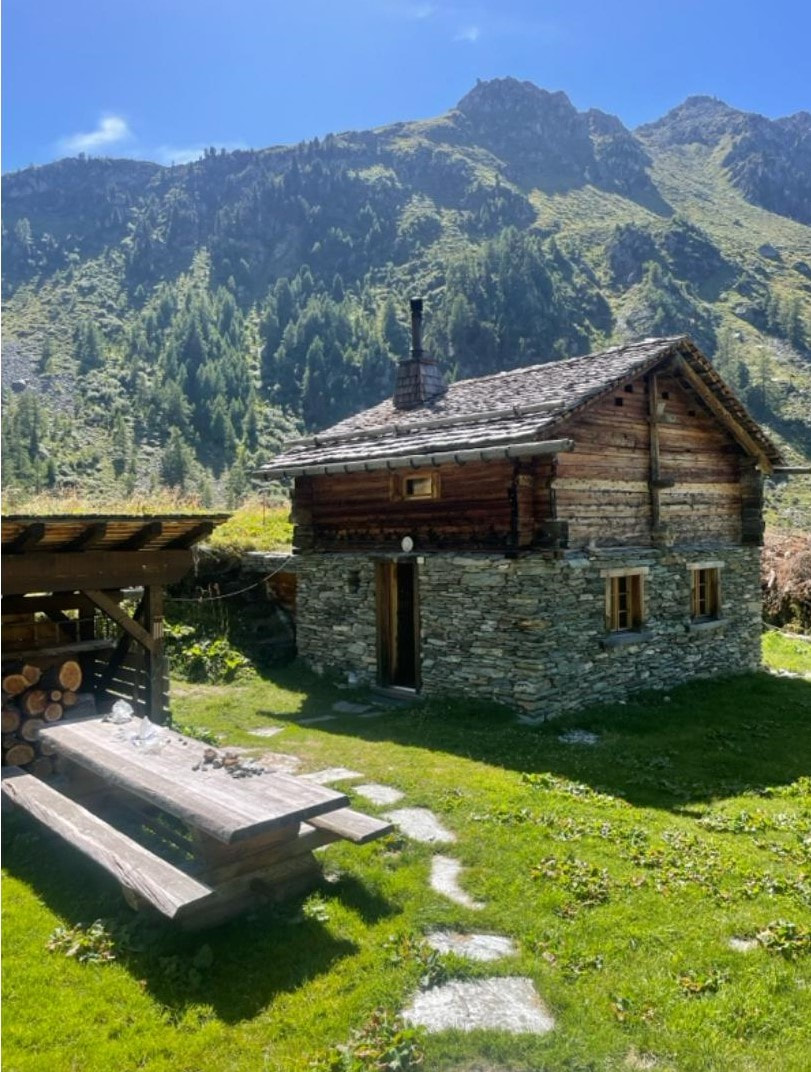
On a day-to-day basis, the fieldwork was quite the change of scenery from Oxford. We were living in a small cabin, used by shepherds for most of the year but available to rent in summer. The cabin is at 2000m elevation, and we covered at least 25km and 1km vertical (about the same as Ben Nevis) each day. Water was heated by a wood-fired boiler that we chopped wood for, and there was only a small solar panel. On cloudy days, this meant we ran out of electricity by about 8pm and we got very  used to working by candlelight to complete our daily post-field write up. I could only get mobile data sat under the crucifix outside the cabin, and even that couldn’t load an ebook. 

Picture
The cabin where researchers lived in during field research
The nearest shop was a few chairlifts and hours of walking away, so we started every day with porridge, which was easy to buy and store in bulk. The owner of the cabin ran a buvette (cafe) a few hundred metres up the mountain, and we dropped in for cake occasionally. He also assisted us with shopping which  made the logistics actually feasible, but there were a few (inevitable) miscommunications along the way! These included an entire chicken instead of a few chicken breasts, raclette cheese rather than a small amount for a few sandwiches, and 20 of the finest organic Swiss apples. The buvette also had a raclette evening on ‘les jeudis par beau temps’ - sunny Thursdays. On one such Thursday, I enjoyed talking to some soil scientists from EPFL who were collecting samples from the bog in the valley. This bog is one of three such national treasures in Switzerland - I’ve almost lost more shoes than that to Scottish bogs on previous field trips! ​
Picture
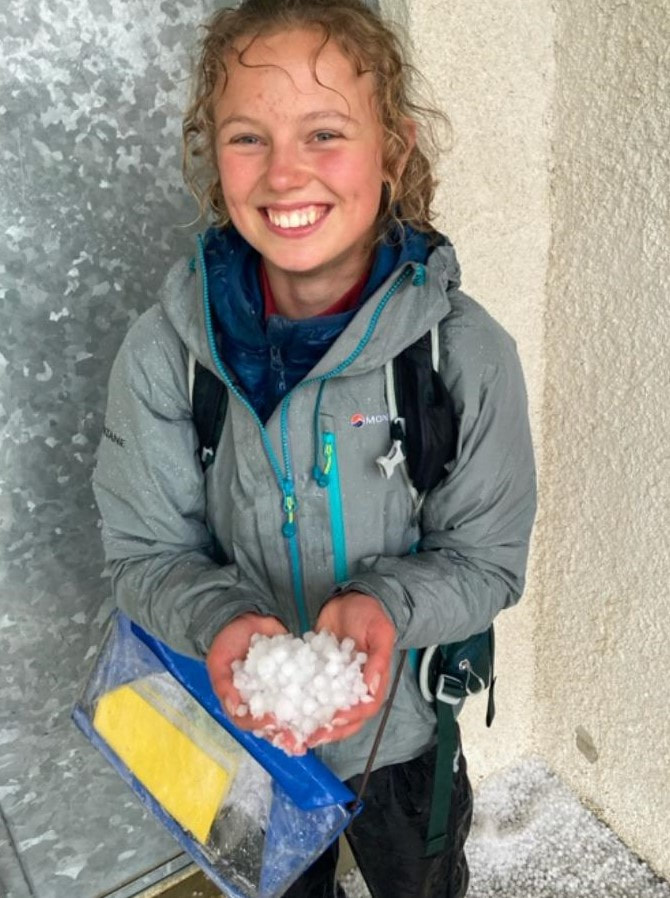
A very happy Earth Scientist!
The weather was generally excellent, and a delightful upgrade from the rain and wind  (and tics) of Scotland. It was, admittedly, more challenging to look at the rocks when  the valley was blanketed by a layer of snow, which we woke up to on a few mornings!  More exciting was a thunderstorm that threw some marble-sized hailstones at us, and punctured my clipboard while we were sheltering.  ​
Knowing it better than the back of my hand, I am unlikely to want to return anytime soon, but I’d highly recommend Vallon de Réchy - and Buvette de Tsartsey especially - for a holiday or fieldwork. I am very grateful to OxWEST for supporting my fieldwork,  and this experience has enabled me to secure a research placement in the structural geology and tectonics lab at ETH Zurich for next summer - I clearly haven’t learnt my lesson on the price of Switzerland yet! Earth Sciences is better than a lot of STEM fields for representation of women*, but field geology in particular is oeen associated with a very masculine ‘beer culture’. A few old Swiss men we encountered did ask if I was the cook in the group of otherwise men...
Picture
Picture
Picture
Picture
Picture
The completed map - absolutely gorgeous!
0 Comments


Leave a Reply.

    Categories

    All
    Summer Internships

stay in touch

Want to find out more? Check out our term card and subscribe to our mailing list for weekly updates on events and career opportunities!​
Prefer using social media? Find us on our Facebook page and Instagram page to stay up-to-date on the latest news!